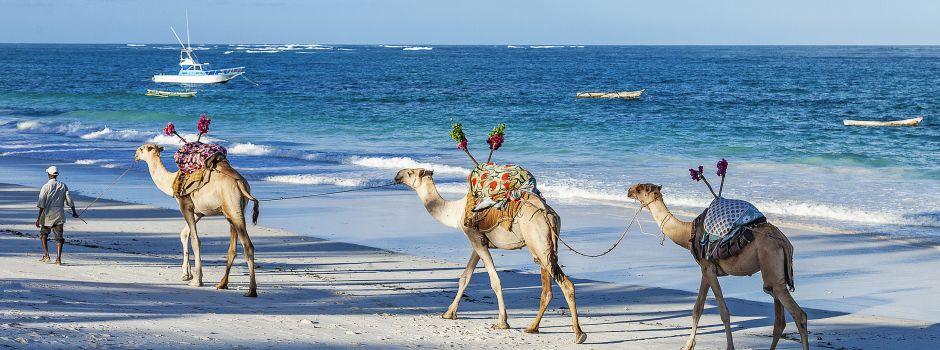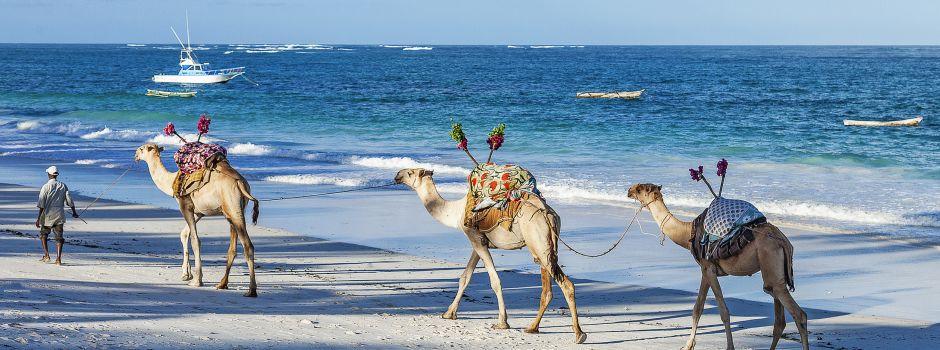
Kenya’s Beautiful Coastline
In the past few years, Kenya has seen a spike in domestic and international terrorism, epitomized by the horrific Westgate Mall attacks in 2013. Unfortunately, this tragic attacks have had a dramatic effect on one of the most important sectors of the Kenyan economy: tourism. In response to the spread of violence throughout the nation, Western nations, like the United States, have issued harsh travel warnings that restrict the movement of the majority of their citizens living in Kenya and those who are interested in visiting the nation’s picturesque coastline. These sweeping restrictions have harmed the area’s most important source of income and pushed many native Kenyans into poverty or even worse, terrorism.
Kenya’s economy has suffered many blows recently, including the drastic dip in international oil prices, and has had trouble recovering from these hits. These woes have had an especially harsh effect on the nation’s coastline, where many of the nation’s muslims and sadly, the unemployed reside. As a result of the downturn in foreign visitors, hotels have shuttered along with a variety of ancillary businesses, like restaurants and charter boat operations, which has dramatically increased the number of employed, especially at the youth level, leaving thousands of Kenyans idle and desperate.
Clearly, this is not the desired effect of the newly issued travel warnings, but they are taking a dramatic toil on the Kenyan economy and in turn the country’s political stability. Seeing opportunity, outside terrorist organizations, like the Somali Al-Shabab, have begun recruiting along Kenya’s coastline. Praying on idle, poor, and sometimes drug addicted youth, the foreign terrorists promise these desperate individuals food, money, and most importantly, a job. With no other options in site, many of these poor individuals are swept up by the terrorists and brought to the boonies to be indoctrinated and to learn how to fight. Some of them are able to escape, but many do not and end up contributing to the very violence that the international restrictions and warnings are trying to stop.
Even though the vast majority of Kenyan terrorist attacks occur in Nairobi and other inland cities, the majority of the international warnings restrict travel throughout the entire country. For the most part, these sweeping restrictions do nothing to quell the violence and include peaceful fishing towns, like Nyali or Diani, which are statistically safer than some parts of Washington, D.C. Fortunately, some countries, like Italy, Sweden, and France, have taken steps to make their travel warnings more nuanced, which has addressed some of the issues associated with the new travel restrictions. However, there is more that can be done. Influential nations, like the United States need to not only alter their warnings and restrictions, but also aid the Kenyan tourism industry, so that the poor are not left idle and broke. In the past, foreign nations have contributed to Kenya’s troubled coastline through foreign aid and direct investment. These programs are essential to fighting the seductive extremist groups, because they remove the “kindling for terrorist activity,” joblessness, idleness, desperation, and addiction. If the United States and its partners want to quell violence in Kenya, it should focus on elevating the poor and destitute, instead of simply adding to their misery.
Source of facts The New York Times. Images from TravelButlers.com.

![Violence escalates in Burundi following the unlawful reelection of President Pierre Nkurunziza [Photo Credit: REUTERS/Goran Tomasevic]](https://keckjournal.com/wp-content/uploads/2015/11/burundi-election-50x50.jpg)
![Tanzanians line up to vote in the country's 2015 presidential election [Photo Credit: AP]](https://keckjournal.com/wp-content/uploads/2015/11/tanzanian-voters-50x50.jpg)
![World Bank President Jim Yong Kim and Ghanaian President John Dramani Mahama discuss Ghana's work to end poverty [Photo Credit: Dominic Chavez/World Bank]](../../../wp-content/uploads/2015/11/world-bank-blog-post-photo-50x50.jpg)