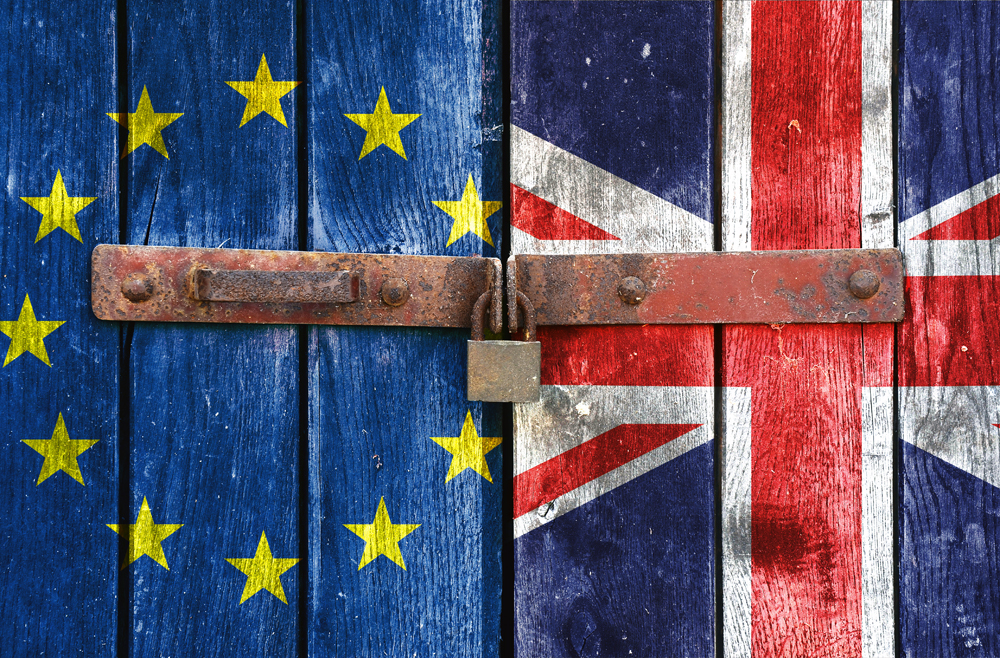
There is no denying that the surprisingly close referendum in Scotland sparked a renewed interest in independence movements across Europe. Suddenly the long-standing movements for independence in Catalonia, the Basque region, and even Sardinia are garnering headlines again. While just as improbable now as they were over the last decade, these regional independence movements have overshadowed one of the true potentials for separation in Europe – between the United Kingdom and European Union.
On November 21, 2014, Mark Reckless became the second UKIP representative in the British Parliament. The United Kingdom Independence Party (UKIP) was founded in 1993, and has since actively promoted an exit from the European Union. Although a fringe right-wing populist party for the majority of its history, recent developments in the United Kingdom have UKIP surging. Mr. Reckless has claimed that more Conservative lawmakers were considering switching to UKIP and the party reported membership of over 40,000 people in October 2014. Indeed, the election of Mr. Reckless in a Conservative district against multiple visits by Prime Minister David Cameron has deep implications looking forward to the May 2015 elections in the United Kingdom. Recent polls have shown 17% of the electorate jump to the anti-European Union and anti-immigration party.
While still not a plurality of voters in Britain, the gaining strength of UKIP has already had implications on British policies and could very well lead to an exit of Britain from the European Union. Although not on board with a complete withdrawal from the EU, the Conservative and Labour parties in Britain have also started to speak to frustrations with the EU, including immigration and limited autonomy. In accordance, by the end of 2014 David Cameron has plans to announce new immigration laws restricting the free movement of people guaranteed by EU membership. Further, in concession to EU frustrations and the rise of UKIP, Cameron has vowed to hold a referendum in 2017 after his re-election on whether the United Kingdom should stay in the European Union.
Despite these actions, however, David Cameron has maintained that he does not want to see a separation of the United Kingdom from the European Union. Members of his Conservative party and the Labour party are both still committed to British membership of the EU and have highlighted complications from a potential split. Britain exports roughly 14% of its GDP to the European Union, and the exit from the EU would mean a removal from free trade currently guaranteed with the other 27 members. In addition to the economy of Britain, an official exit in 2017 would be an extremely damaging blow to the EU’s reputation. The already struggling system would be strained, and could ultimately lead to the withdrawal of other countries under the presumption that they could do better on their own. This is not to say that trade is to stop, simply that there will be short-term disruptions as the conversion process unfolds.
Despite the current concerns of a complete separation, there is no denying that the political attitude in the United Kingdom has taken a decidedly Eurosceptic turn. Proponents of a complete split build upon practically universal frustrations including the impact of EU immigration policies on unemployment and the superiority of EU law over British law, which famously lead to the outlawing of the iconic double-decker buses across the United Kingdom.
The rise of UKIP and prospect for a withdrawal from the European Union by the United Kingdom presents perhaps the most interesting prospect for an independence movement in Europe. In addition to economic complications, such a split would have its effects seen in culture and in the balance of powers in European agreements. Concessions to the Eurosceptic movement are already being made, and a continued surge of the UKIP party through the May 2015 elections have the potential to take Britain out of the European Union, in spite of the reservations of David Cameron and others. Ultimately, under continued current trends, the referendum in 2017 could bring an end to Britain’s 44 years of half-hearted membership and potentially the stability of the European Union as a whole.
Sources:
http://www.german-times.com/index.php?option=com_content&task=view&id=44015&Itemid=25
http://www.nytimes.com/2014/11/21/world/europe/anti-eu-party-wins-2nd-seat-in-britain-.html?_r=0
http://www.economist.com/news/britain/21631115-angela-merkel-puts-pressure-david-cameron-over-europe-germans-strike-back
http://www.theguardian.com/politics/2014/nov/04/what-if-britain-left-the-eu-europe-politics-economy-culture
Photo Credit: Trending Central


![Mourners gather at a makeshift memorial to victims of the November 2015 attacks in Paris [Photo Credit: AFP/BBC]](../../../wp-content/uploads/2015/11/picture-50x50.jpg)