Since the start of the Arab Spring four years ago, hopes of democracy and stability for many Middle Eastern countries have faded. Elections in Egypt were followed by a military coup within a year, and the country has since been led by the heavy-handed Sisi. The removal of Muammar Gaddafi did the opposite, sparking anarchy, the rise of militia groups, and unsuccessful government attempts to keep order. It seemed only Tunisia, the birthplace of the Arab Spring, was making progress on its path to democracy. The country was experiencing economic strife, and confidence in democratic governance had fallen, but Tunisia had ratified a new constitution, a revised parliamentary form of government, and appeared to be equipped to set the democratic process in motion.
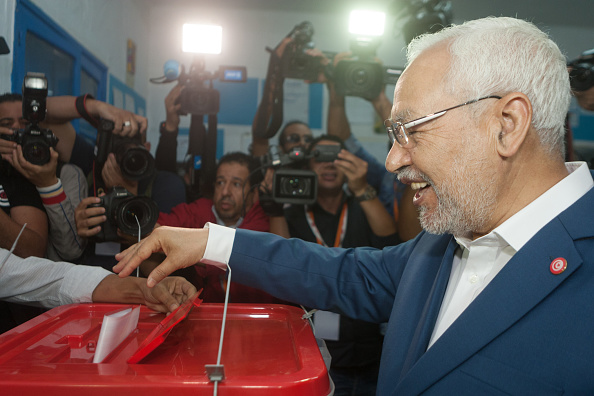
Those hopes were realized last week when Tunisia conducted its first parliamentary elections since the ratification of its constitution in January. While there were security concerns in some governorates prior to election day, the election was marked by high turnout, and were labeled as free and fair by domestic and international observers alike.
The election results were also the cause of much discussion. Tunisia’s ruling Ennahda party was defeated by Nida Tunis, which won 85 of the 217 seats. Ennahda, a moderate Islamist party, emerged as one of the most organized parties in the aftermath of the Jasmine Revolution. Ennahda won the initial constituent assembly elections in 2011, and gained not just the Prime Ministership, but the predominant voice in the conversation to help draft Tunisia’s new constitution. But since Ennahda’s rule began in 2011, there have been few veritable improvements in the Tunisian economy,and the country has suffered attacks at the hands of violent extremists. The country’s shift of support toward Nida Tunis signifies not just a move away from Islamic based governance to a more secular approach, but also the Tunisian people’s acceptance of implementing change through the ballot box, and not just a revolution.
The arguably miraculous nature of these parliamentary elections is not just their free and fair nature, or that the prior ruling party gave up power willingly. The elections represent the culmination of efforts by all parties in Tunisia to cooperate, and advance the country toward establishing a democratic tradition. It’s still far too early to say whether these efforts will be successful or not, but there is great cause for hope in Tunisia.
Photo Credit: AP Photo/Aimen Zine


