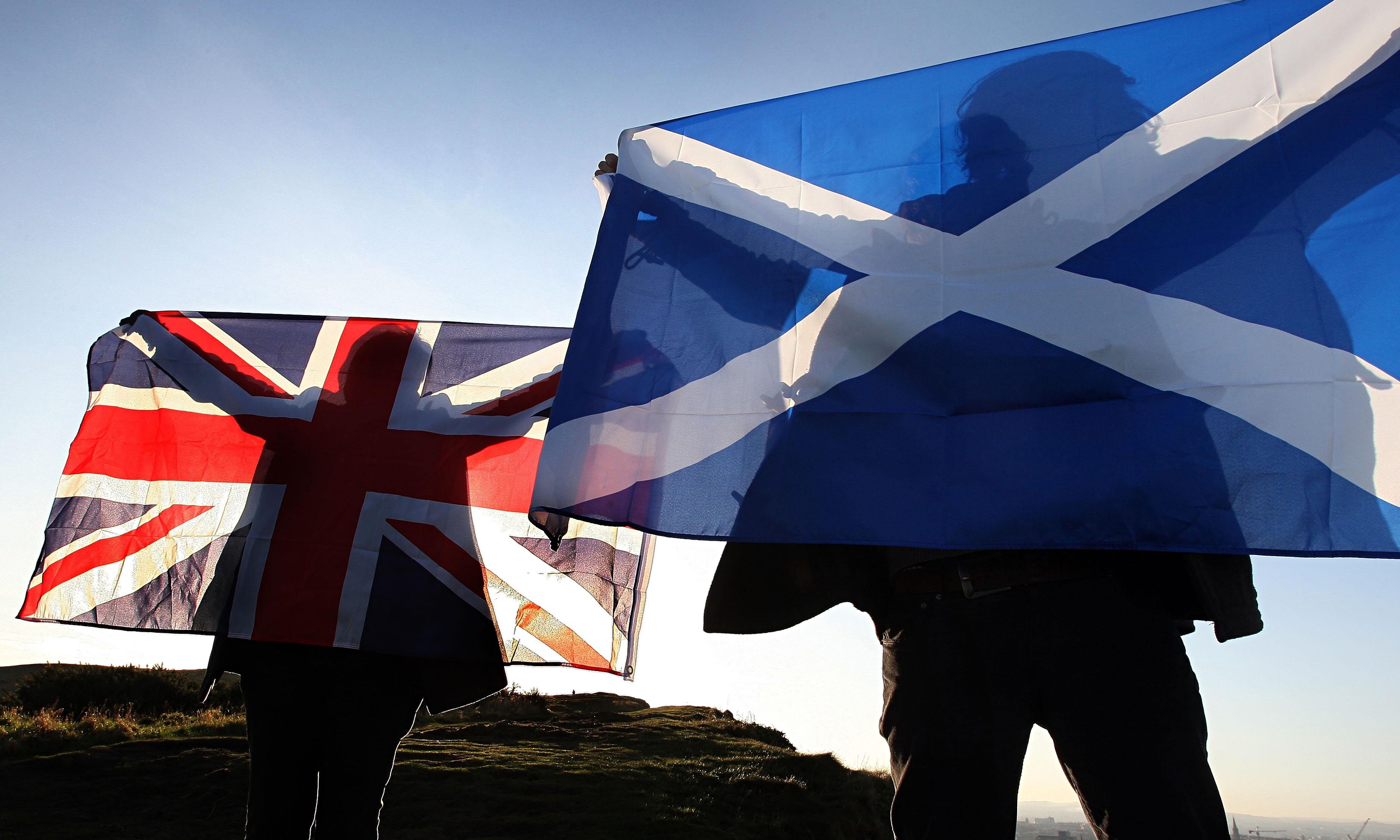
On September 18, 2014, the people of Scotland voted in a referendum to decide whether or not to remain part of the United Kingdom. 55 percent of voters chose not to leave Britain, resulting in a collective sigh of relief from Parliament as well as the British business community. The Scottish voters’ choice to retain membership within the UK does not mean, however, that tensions have dissipated. Nearly 45 percent of Scotland would have rather left, and pluralities in major cities in Scotland — such as Glasgow — voted in favor of independence. Though the union has been preserved, it cannot continue to exist in its current form.
While the pro-independence movement was ultimately unsuccessful, its strong turnout came as a surprise to Parliament. Until the month of the vote itself, few British politicians were aware of the movement’s popularity and the real possibility of Scotland’s exit. After Chancellor George Osbourne stated that Scotland could not continue to use the pound as currency if it were to vote for independence, Parliament was confident that the economic uncertainty of independence would put off the Scottish voters. Prime Minister David Cameron was quoted as characterizing Scottish independence as “the least of his worries” less than two months before the referendum. Meanwhile, Alex Salmond, the leader of the pro-independence Scottish National Party, continued to best pro-union supporters in televised debates, arguing that Scotland would flourish by maintaining free National Health Service (NHS) and higher education while gaining full control over its natural resources and legal system. The momentum around the Yes movement steadily grew to the point that the Queen herself, one to rarely take a public stand on politics, implored the Scottish people to stay with the union, reflecting the anxiety shared throughout parliament that independence was a possibility.
Ultimately, pro-business interests and the “silent majority” ensured that the union persevered. This does not mean, however, that the demands of the pro-independence movement can be ignored in the future. Due to the small margin of the pro-union victory, Parliament must accommodate Scotland’s demands for devolution of power. This will likely take place through increasing the influence of Scottish MP’s votes on legislation throughout the United Kingdom, constituting a fundamental theoretical shift away from the “English votes for English laws” rhetoric that has dominated the union’s 300-year existence. The Scottish people will demand more generosity and respect from the English, which will be quite difficult considering Britain’s emphasis on autocratic policy in the wake of the financial crisis.
Despite the challenges, it remains in Scotland’s best economic interest to uphold the union. Scotland’s domestic market alone is too small to attract much foreign investment. Furthermore, establishing a new Scottish currency would have been an incredibly lengthy and volatile process, inevitably alienating current businesses (particularly those in the financial services sector). The popularity of the pro-independence movement, despite these economic uncertainties, speaks to the growing nationalist sentiment of the 21st century. The fact that these turns toward isolationism are occurring within the United Kingdom, arguably the longest lasting integrated regional bloc of nations, speaks to the strength of public opinion turning away from globalization.
Scotland’s referendum served as inspiration for other regions to seriously consider independence. Territories across Europe, including several in France, Austria, Belgium, and Italy, have used the success of the independence voters at the Scottish referendum to strengthen their own battles for greater recognition and power. The separatist movements in Spain throughout the Basque Country, Catalonia, and Valencia have all used Scotland’s referendum to exert further pressure on the Spanish government to allow the regions to vote for their own independence. Using the referendum to further a century long fight for independence, the nationalist movement in the Basque region has recently turned away from violence as a means to achieving independence, focusing instead on political reform and recognition. Though the Spanish government has continued to reject the Basque Parliament’s request for a referendum on independence, the vote in Scotland has further justified the nationalist’s appeal. Basque protestors came out in increasing force throughout the months leading up to the Scottish referendum, adding to the pressure on the Spanish government to allow the Basque people a vote on the continuation of the union between Spain and the Basque country.
Broadly speaking, the unexpected success of Scotland’s independence movement has raised serious questions around the long-term stability of regional blocs within European countries. Scotland’s referendum should serve as a warning that succession is far from a radical’s dream. In order to stay united, Europe must work toward official recognition of potentially marginalized territories.
Sources:
http://www.ft.com/cms/s/2/5d888e34-3ff0-11e4-a381-00144feabdc0.html#axzz3Gwiys9GZ
http://www.the-american-interest.com/articles/2014/09/17/will-scottish-independence-create-a-bandwagon-effect/
http://www.ft.com/cms/s/2/1ee0eb08-3f3d-11e4-a861-00144feabdc0.html#axzz3Gwiys9GZ
http://www.ft.com/cms/s/0/d624867e-4336-11e4-8a43-00144feabdc0.html?siteedition=intl#axzz3Gwiys9GZ
http://www.ft.com/cms/s/0/93d842b6-426d-11e4-9818-00144feabdc0.html#axzz3Gwiys9GZ
http://www.theguardian.com/commentisfree/2014/oct/14/guardian-view-on-further-powers-for-scotland
http://www.cbsnews.com/news/scotland-independence-referendum-spain-catalonia/
http://www.bbc.com/news/world-europe-28365453
Photo Credit: The Guardian


